
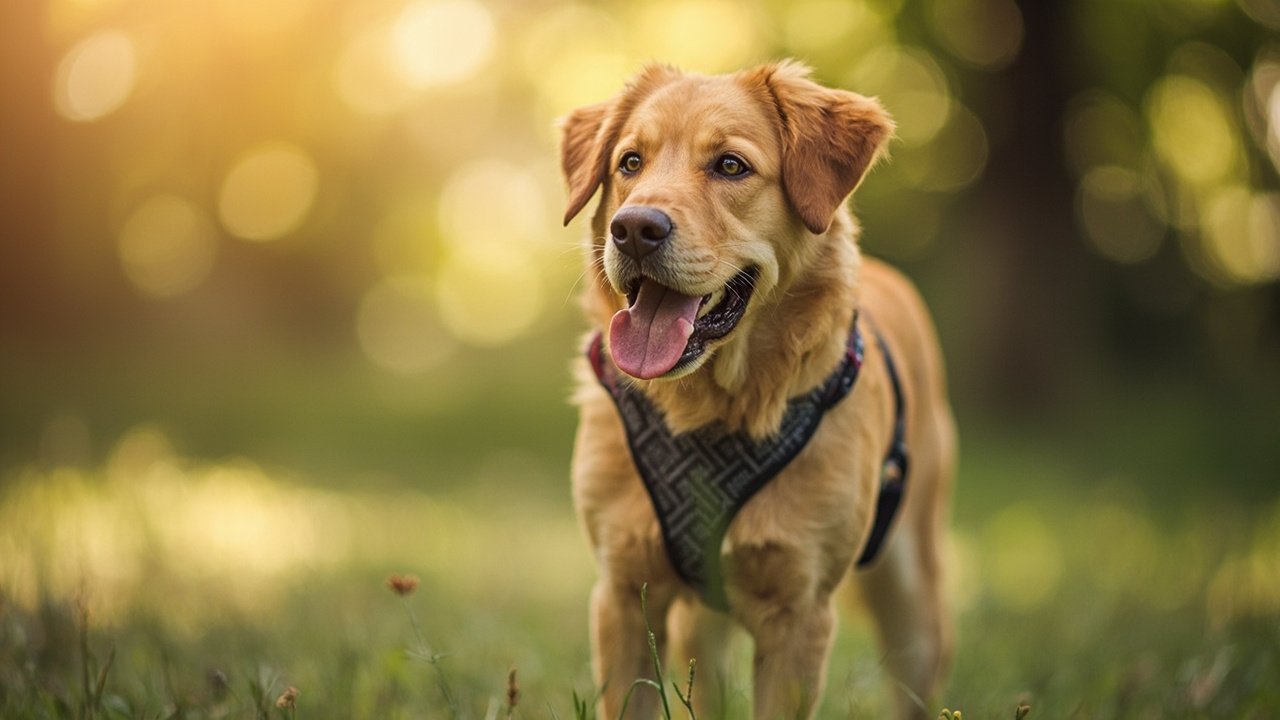
A news story making the rounds this week carried a reminder every dog owner needs to hear: just five minutes inside a hot car can push a healthy dog into life-threatening heatstroke. Even with windows cracked. Even in the shade. Even on a day that only feels warm to you. As summer settles across the US, UK, AU, and CA, clinics are bracing for the usual July surge of panting, wobbly dogs rushed through the door. The good news is that recognizing heatstroke in dogs symptoms early, and knowing exactly what to do in the first ten minutes, is the difference between a dog who goes home that night and one who does not.
Here is what heatstroke does inside a dog’s body, the warning signs owners most often miss, and the right way to cool a dog down. Spoiler: the old dump-ice-water-on-them advice is wrong.
What Heatstroke Actually Does to a Dog
A dog’s normal body temperature runs between 101 and 102.5 degrees Fahrenheit (about 38.1 to 39.2 C). Heatstroke begins when that core temperature climbs above 104 F (40 C) and the body’s cooling system can no longer keep up. Dogs do not sweat through their skin the way we do. They sweat a little through their paw pads, and they pant, which is their main cooling mechanism. When the surrounding air is already hot and humid, panting stops working efficiently, and core temperature climbs fast.
Once the temperature crosses 104 F, proteins inside cells break down, the gut lining becomes leaky, and the immune system swings into overdrive. Within minutes, dogs can develop the cascade vets call systemic inflammatory response syndrome, which is what actually kills them. Every minute of cooling matters.
The Symptoms Owners Most Often Miss
Every owner recognizes the classic picture: a dog collapsed on hot pavement, drooling buckets, unable to stand. That is end-stage heatstroke, and by the time you see it you are running out of time. The symptoms that buy you the most time show up earlier and are easier to miss.
Early stage heatstroke
- Rapid, heavy, noisy panting that does not slow at rest
- Bright red or unusually pale gums
- Thick, ropey drool, or drooling more than usual
- Restlessness, pacing, or suddenly refusing to walk
- A worried, glassy-eyed look owners describe as “he seems off”
Moderate to severe heatstroke
- Vomiting or diarrhea, sometimes with blood
- Wobbly gait, weakness, or sudden collapse
- Gums that are brick red, blue, gray, or tacky
- Confusion, seizures, or loss of consciousness
- A racing heart rate you can feel through the chest wall
Brachycephalic breeds (Pugs, French Bulldogs, English Bulldogs, Boston Terriers, Shih Tzus, Boxers) and large double-coated breeds (Huskies, Malamutes, Bernese, Newfoundlands, Golden Retrievers) hit the danger zone fastest. Dogs with heart disease, obesity, or a previous heatstroke episode are also high risk. Puppies and seniors top the list.
First Aid in the First Ten Minutes
If you suspect heatstroke, time is your enemy. The goal is to lower the core temperature gradually, get the dog out of the heat, and head to a vet as fast as possible. Calling the clinic on the way is smart, because they can prep a treatment room.
- Move the dog to a cool, shaded spot or an air-conditioned room immediately.
- Wet the coat with lukewarm or cool water, not ice cold. Focus on the belly, armpits, groin, and paw pads, where blood vessels run close to the surface.
- Place a fan on the wet dog. Evaporation pulls heat out, and a fan speeds it up dramatically.
- Offer small sips of cool water if the dog is alert and willing. Do not force water into a confused or collapsed dog.
- Take rectal temperature if you can do it safely. Stop active cooling once you hit 103 F (39.5 C). Going lower can send the dog into hypothermia.
- Transport to the nearest vet, even if the dog seems to recover. Internal organ damage often shows up hours later.
The Ice-Cold Water Myth
This is the bit that surprises most owners. For decades, advice online has been to dunk a heatstroke dog in ice water or pack them in ice. Current veterinary research, including work in the Journal of Veterinary Internal Medicine, shows ice-cold water can actually trap heat in the core by constricting surface blood vessels. The skin cools, the dog shivers, but the internal temperature keeps climbing.
Lukewarm or cool tap water plus airflow lowers core temperature faster and does far less damage. The Royal Veterinary College and most emergency clinics in the US, UK, AU, and CA now recommend this cool-not-cold approach as standard first aid.
Products That Help in a Heat Emergency
None replace a vet visit, but the right gear in the car or hallway closet can buy you crucial minutes while you get to the clinic.
| Product | Best for | Price range | Why it works |
|---|---|---|---|
| Mikki Cooling Coat | Walks and garden time | $25 to $40 | Activated by soaking in water, keeps dogs cool for hours through evaporation |
| Kurgo Portable Water Bottle | Hydration on the go | $15 to $25 | Built-in bowl lets you offer water one-handed during hikes or roadside stops |
| CoolerDog Cooling Mat | Indoor rest and crate time | $30 to $60 | Pressure-activated gel stays cool without refrigeration, no chewing risk |
| Digital Rectal Thermometer | Monitoring core temperature | $10 to $20 | Fast readings and flexible tip help you know when to stop active cooling |
| Hertzko Cooling Pet Hammock | Cars and travel crates | $25 to $45 | Breathable mesh plus cooling fabric prevents the heat trap on standard car seats |
| Pet First Aid Cooling Sprayer | Emergency cool-down on the road | $20 to $35 | Misters lukewarm water evenly, pairs with a battery fan for fast evaporation |
Preventing Heatstroke Before It Starts
Most cases are preventable with a few small habits.
- Walk dogs early morning or after sunset. If the sidewalk is too hot for the back of your hand for five seconds, it is too hot for paws.
- Never leave a dog in a parked car, even with windows cracked and even for “just a minute.” The inside can climb 20 degrees F in ten minutes.
- Provide constant access to fresh, cool water. Add ice cubes on the hottest days.
- Watch humidity as much as temperature. Panting fails when humidity climbs above 70 percent.
- Skip the heavy midday play. Save fetch for cooler hours, and let brachycephalic dogs set the pace.
Frequently Asked Questions
Q: How fast does heatstroke set in once a dog is in a hot car?
Faster than most owners expect. Interiors can climb 20 F in ten minutes, and dogs can hit dangerous core temperatures in under five, especially brachycephalic and dark-coated breeds.
Q: My dog loves the beach in summer. Is saltwater a risk too?
Yes. Dogs playing hard on sand and surf can overheat just as easily as on land, and drinking saltwater causes vomiting and dehydration, which speeds up overheating. Offer fresh water every ten to fifteen minutes and rest in the shade.
Q: Can I give my dog ice cubes to cool them down?
For a healthy dog on a hot day, a few ice cubes in the bowl are fine. In an active heatstroke emergency, though, focus on cool water on the body plus airflow, not ice inside the dog.
Q: Are some dog beds or harnesses worse for heat?
Thick fabric beds, leather harnesses, and dark coats trap heat against the body. Switch to breathable mesh harnesses in summer and keep a cool mat in the usual resting spot.
Q: Once a dog has had heatstroke, are they at higher risk next time?
Yes. Even mild heatstroke can damage the thermoregulation center in the brain, so a dog who has had one episode is more vulnerable for life. Talk to your vet about a summer plan.
The Bottom Line
Heatstroke is a true emergency, but also one of the most preventable. Know the early signs: heavy panting, bright or pale gums, drooling, restlessness, and that vague off look. Cool the dog with lukewarm water plus airflow, never ice. Stop active cooling at 103 F. Get to a vet the same hour, even if your dog seems to bounce back. Keep a thermometer, a water bottle, and a cooling mat in the car or hallway closet. A few small changes in summer habits are all it takes to keep your dog wagging through the hottest months of the year.